Bihar’s new citizenship test leaves poor and vulnerable anxious

Bihar is currently engaged in a Special Intensive Revision (SIR) of its electoral rolls, an exercise initiated by the Election Commission of India (ECI) after a 22-year hiatus. While the ECI states this revision is crucial for an accurate voter list ahead of the upcoming Assembly elections, the process has swiftly drawn intense scrutiny, particularly due to a new ECI directive (Clause 5(b)) empowering local officials to question citizenship. Alongside this, the recent public statements from the son of a prominent Bihar BJP leader have escalated concerns among minority and vulnerable communities regarding potential disenfranchisement and challenges to their citizenship status.
The ECI outlines several objectives for this extensive revision. These include adapting to demographic shifts due to urbanisation and migration, and incorporating newly eligible voters. The process also aims to rectify inaccuracies by removing duplicate entries, non-residents, and deceased individuals. A further stated goal is to prevent the inclusion of "foreign illegal immigrants," a concern frequently articulated by political parties. The ECI references its constitutional mandate under Article 326, which outlines voter eligibility criteria.
The last intensive revision in Bihar was conducted in 2003. The ECI has made the 2003 electoral rolls accessible, noting that approximately 60% of the current electorate – those whose names appeared on the 2003 rolls or are born to such electors – will not be required to submit parental documents.
As per SIR, electors must sign and submit the pre-printed Enumeration Form before July 25 to ensure their inclusion in the Draft Electoral Roll, which will be published on August 1. Simultaneous verification of uploaded forms has also commenced. An official stated that despite some apprehensions, the SIR aims to ensure all eligible persons are included, with continuous eligibility verification based on submitted documents. Following the publication of the Draft Electoral Rolls on August 1, claims and objections will be accepted from political parties and the public starting August 2.
SIR so far
The revision process has prompted several specific concerns from various stakeholders, some of which are reportedly materialising on the ground. The timing of this intensive revision, just months before the state assembly elections, has drawn criticism. Opposition parties, including the Congress, Rashtriya Janata Dal (RJD), and Left parties, have publicly questioned this timing, suggesting it could impact the electoral outcome. They highlight that prior intensive revisions, such as the 2003 exercise, were conducted well in advance of elections.
In response to the Election Commission’s decision to revise the electoral rolls so close to the assembly elections, Leader of Opposition Tejashwi Yadav has announced a chakka jam and statewide protest across Bihar on July 9, 2025. This protest will be joined by all partners of the INDIA alliance. Calling it a serious threat to fair elections, Tejashwi stated, “Bihar — the land where democracy was born — cannot stay silent on such a blatant move that risks denying crores of Biharis their voting rights.”
Beyond the political timing, concerns also centre on the documentary requirements. Voters not on the 2003 list must provide proof of their date and place of birth, with parental birth proof required for those born after specific dates. Opposition leaders and community representatives state that segments of Bihar's population, particularly marginalized communities, migrant workers, and residents of flood-prone areas, may face significant difficulties in procuring such documents within the stipulated timeframe.
Reports from the initial weeks of the revision indicate that many individuals from these communities are indeed encountering challenges in producing the required documentation, validating pre-existing fears about their access to such records. The non-acceptance of Aadhaar as a primary verification document has also been noted.
A significant development drawing increased scrutiny is Clause 5(b) of the ECI's June 24, 2025, directive. This clause empowers local Electoral Registration Officers (EROs) to refer individuals they "suspect" of being foreign nationals to citizenship authorities. Legal experts and human rights analysts express concerns that this provision could function as a 'backdoor NRC' (National Register of Citizens), potentially affecting the citizenship status of referred individuals.
In Darbhanga, Ankur Gupta, son of Rajya Sabha MP and Bihar BJP Mahila Morcha State President, Dharamshila Gupta, publicly claimed that "Bangladeshi Rohingya Muslims are illegally building slums" in the area stretching "Bhigo to Qilaghat" in Darbhanga City, which he asserted is a Muslim-majority area (Darbhanga district's 2011 census data indicates a Muslim population of approximately 22.39%).
Gupta's statements, reported in almost all newspapers, include allegations that these individuals are "creating voter lists and Aadhaar cards through wrongful means" and are being "used as voters" to "rig" the upcoming assembly elections. Such statements from political figures, particularly those with direct links to state and national party leadership, have been cited by community leaders and opposition parties as contributing to concerns about the targeting of specific communities during the revision process, especially as on-ground verification commences. Observers anticipate that similar claims and allegations regarding the Muslim population may emerge across Bihar in the coming days, as the revision progresses towards the assembly elections.
Concerns about potential mass exclusion have also been articulated. Reports citing Congress leaders indicate an ECI internal projection suggesting up to 20% of voters could be removed, representing a substantial number of individuals. The initial weeks of the process have seen a high volume of queries and difficulties reported by citizens attempting to verify their details, indicating the scale of potential exclusions.
Both citizens and electoral officials face considerable operational challenges due to the stringent timeline of this revision. Door-to-door verifications are set for June 25 to July 26, followed by a claims and objections phase from August 1 to September 1. This tight schedule, encompassing nearly 7.9 crore voters and demanding extensive paperwork, creates a significant logistical strain on residents and the approximately 78,000 Booth Level Officers (BLOs). The burden is exacerbated by ongoing monsoon and flood conditions across parts of Bihar. Early assessments indicate BLOs are contending with overwhelming volumes and complex document scrutiny.
The Association for Democratic Reforms (ADR) has filed a petition in the Supreme Court to annul the operation. ADR contends the SIR is unconstitutional and threatens to arbitrarily disenfranchise millions of voters, particularly from marginalized communities. Their arguments centre on the SIR's unjust shift of proof-of-eligibility burden onto citizens, its impractical and stringent documentation requirements (including mandating parental citizenship proof and excluding Aadhaar/ration cards), and its unreasonable timeline. ADR also asserts that the exercise is unnecessary and lacks proper justification, especially since a Special Summary Revision was recently completed (October 2024 - January 2025) to address voter list issues.
ECI's Response and Measures
The ECI has consistently defended the revision as a legal and necessary exercise, citing relevant provisions of the Representation of the People Act, 1950, and the Registration of Electors Rules, 1960. The Commission states its commitment to transparency and fairness, assuring that no deletions will occur without due inquiry and an opportunity for the concerned individual to be heard.
To assist voters, the ECI has deployed BLOs and additional volunteers. It has also engaged with political parties, explaining the process and encouraging them to appoint Booth Level Agents (BLAs) to monitor accuracy. Voters can submit forms physically through BLOs or online.
Further updating on the Special Intensive Revision (SIR) progress, the Election Commission of India (ECI) released a press note on July 5, 2025. As of 6:00 PM on July 5, over 1.04 crore Enumeration Forms (13.19% of the total 7.90 crore electors) have been collected, with nearly 94% of forms distributed. To facilitate the process, 20,603 new Booth Level Officers (BLOs) are being appointed, and approximately 4 lakh volunteers (including government officials, NCC cadets, and NSS members) are actively assisting the elderly, PwD, sick, and vulnerable populations.
The ECI also noted that BLOs are facilitating the process by taking live pictures of electors, saving them the trouble of getting their pictures clicked.
Amid the mounting uproar and a volley of tough questions, ECI appears increasingly cornered. In what seems like a hurried damage-control move, the Chief Electoral Office (CEO) Bihar on Sunday issued a fresh directive—one that shifts more responsibility onto the already burdened Booth Level Officers (BLOs).
A newly released front page advertisement in all major newspapers on Sunday states: “If the necessary documents and photo are not available, then just fill the enumeration form and provide it to the Booth Level Officer.”
It further clarifies: “If you are unable to provide the necessary documents, the Electoral Registration Officer (ERO) can take a decision on the basis of local investigation or evidence of other documents.”
Critics argue this discretion-based approach could lead to bias and the exclusion of vulnerable voters. The Standard Operating Procedure (SOP) for SIR still requires one of 11 specific documents for proof of age and residence, such as birth certificates or passports, while widely used documents like Aadhaar, PAN cards, and voter ID cards are not accepted. As a senior source from the Bihar CEO’s office clarified to The Hindu, the new directive offers "alternative options in specific cases" and doesn't replace the original list, yet concerns persist regarding the lack of clarity and the integrity of the revision process.
Bihar's final electoral rolls will be published on September 30, allowing voters to file complaints with district magistrates and the Chief Electoral Officer. The partially filled forms are also available for download on the ECI portal (https://voters.eci.gov.in) and on the ECINET App, where filled forms can also be uploaded directly by electors.
Furthermore, 1,54,977 Booth Level Agents (BLAs) appointed by various political parties are also providing active support in the SIR process. Each BLA can submit up to 50 certified forms per day, the official sources said.
Silence of key NDA allies
But what's most troubling about the ongoing electoral roll revision in Bihar is the silence of key NDA allies—JD(U), LJP(R), and HAM—whose core support base includes Scheduled Castes and Other Backwards Classes. These are the very communities most likely to be hit hardest by the procedural and documentation demands of the revision.
Based on the Bihar Caste Census Report 2023 and other reliable data, the socio-economic picture of Bihar is indeed challenging: Scheduled Castes constitute nearly 20% of the population, with over 34% of all families living below the poverty line, and a significant 43.93% of SC families surviving on a meagre ₹200 a day. Educational attainment is low, with only 7% of the population being graduates, and personal mobility is limited as 96% lack access to a personal vehicle. Nearly 88% of the population resides in rural areas. Furthermore, Bihar is highly vulnerable to floods, accounting for 16.5% of India's flood-affected area and 22.1% of its flood-affected population.
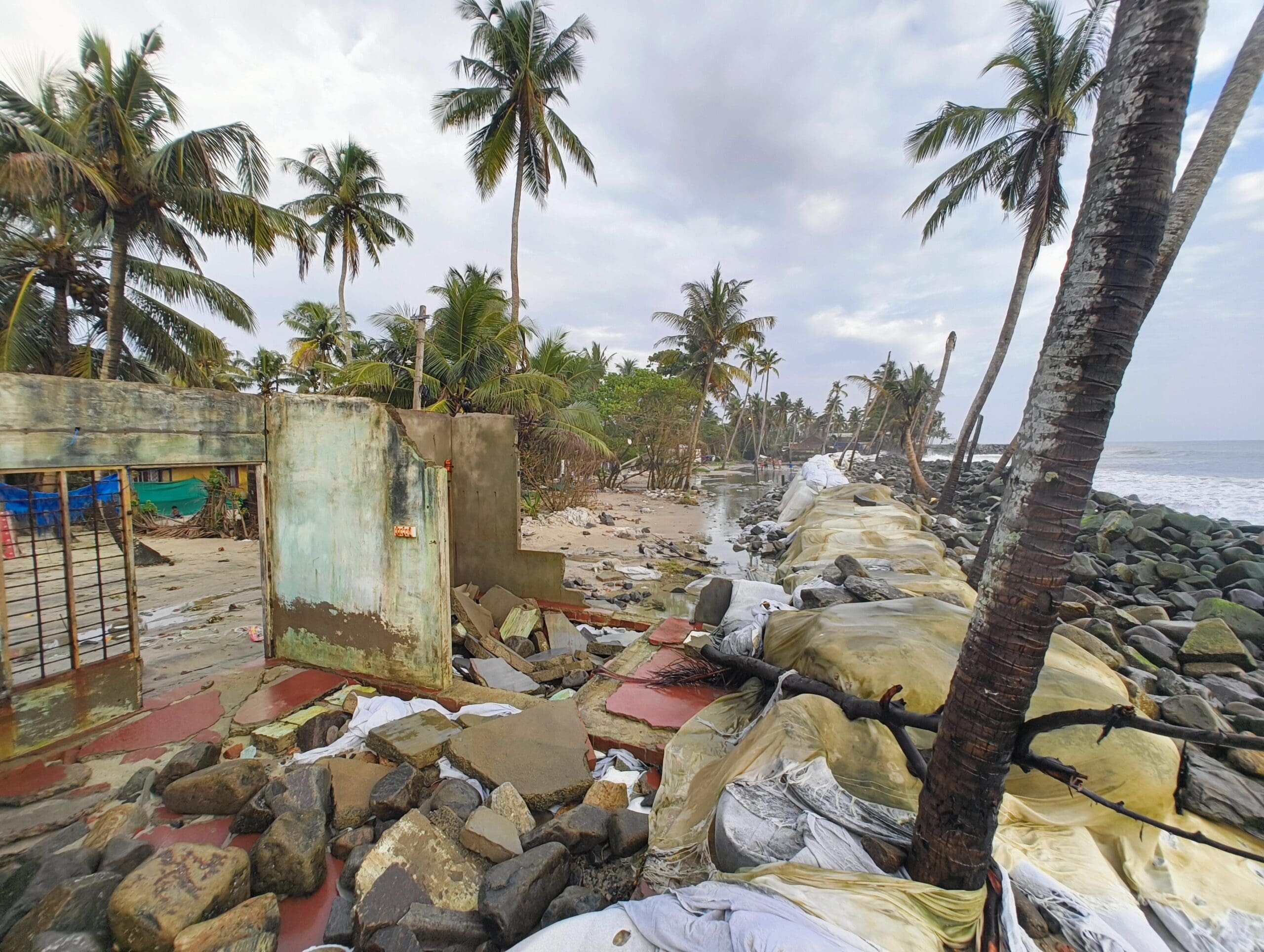
Approximately 76% of the population in North Bihar lives under the persistent threat of severe flooding, with 73.63% of the geographical area of North Bihar considered flood-prone. Out of 38 districts, 28 districts get flooded annually, with 15 districts being worst affected.
More than 50 lakh (5 million) Biharis live outside the state for livelihood or education, with approximately 46 lakh earning a living in other states and 2.17 lakh having moved abroad. Given this heavy reliance on migrant labor for livelihoods, the socio-economic fabric of Bihar is already fragile. In this context, expecting marginalized citizens to meet the bureaucratic requirements of electoral revisions without adequate support is both unfair and exclusionary.
Discretionary powers of EROs
Beyond the immediate enumeration, significant ambiguity persists regarding the later stages, particularly how objections to entries in the revised electoral roll will be decided. While the ECI states no deletion will occur without due inquiry and an opportunity to be heard, the specific procedures, the nature of proofs required, and the safeguards against arbitrary decisions by officials remain critical concerns. What adds to this concern is the unchecked power of Electoral Registration Officers (EROs) who possess broad authority to question voter eligibility beyond Clause 5(b).
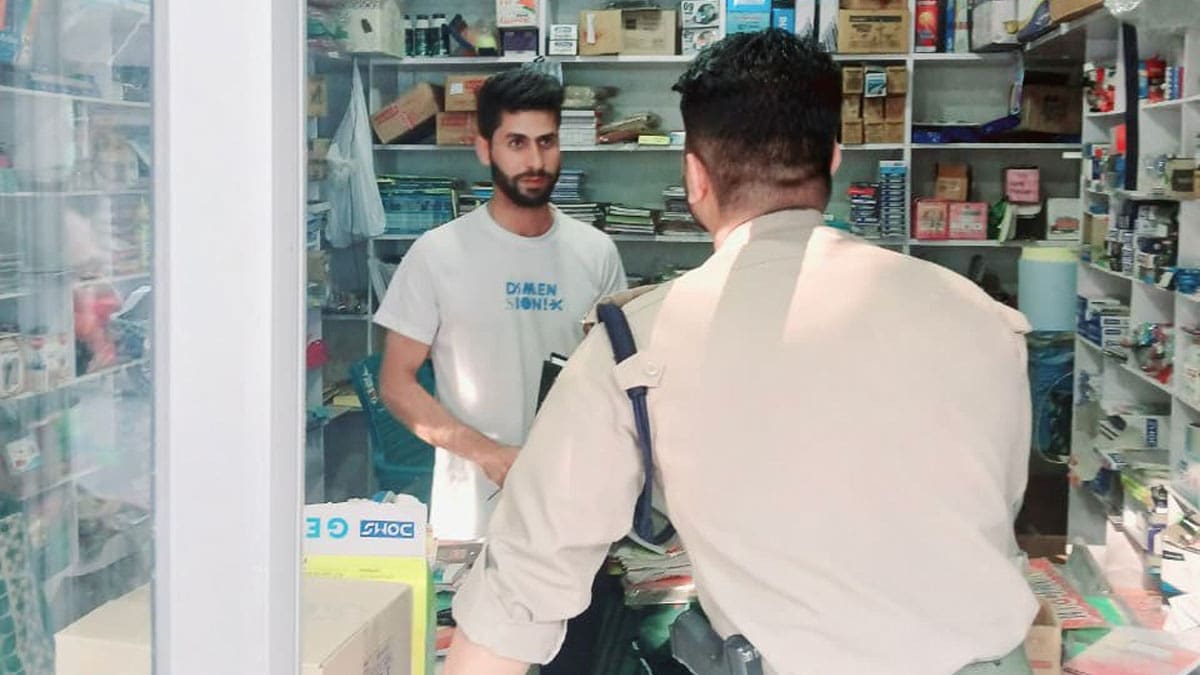
If a local Electoral Registration Officer (ERO) refers an individual they "suspect" of being a foreign national to citizenship authorities under Clause 5(b), the implications are severe: this initiates a separate, potentially protracted citizenship determination process outside the electoral roll revision. Legal experts warn that such referrals lack clear statutory basis and judicial oversight, potentially leading to disenfranchisement, detention, or even deportation without robust due process. The current framework offers limited clarity on how such referrals are resolved and what recourse individuals have beyond a difficult and costly High Court petition, raising fears about politically or communally biased targeting, especially if officials act with caste or communal bias. Early reports from communities already suggest heightened scrutiny for certain groups during initial verification visits.
Adding to these concerns, people frequently cite the precedent of Assam, where even a Supreme Court-monitored National Register of Citizens (NRC) exercise eventually lost its relevance, with the state government itself refusing to accept the final register due to alleged inaccuracies. This history fuels a deep-seated fear that there is no guarantee a new government, or even the current one, won't try to repeat a similar scenario in Bihar, potentially undermining the entire process and casting doubt on the citizenship status of vulnerable populations.
That ruling parties remain indifferent to these risks — despite knowing their own voter base is most exposed — raises serious questions. Is their silence rooted in complacency, political calculation, or quiet complicity?
The electoral roll revision in Bihar remains a process under close observation. Its implementation will determine how the ECI navigates the stated goals of an accurate voter list while addressing significant concerns raised by political parties, human rights organizations, and community leaders regarding potential disenfranchisement and challenges to citizenship status. The effectiveness of safeguards against potential misuse of powers will be a key aspect of its outcome as the revision progresses and as various claims regarding voter demographics continue to surface.
Zeeshan Akhtar Quasmi is a freelance Journalist from Bihar